
Coming out of winter, if you’re anything like most Central Coast homeowners, you’ve probably had the heater running, extra loads of washing on, and the odd hot shower to warm up after a cold snap. All that extra water use makes this the perfect time of year for a hidden leak to slip under the radar.
Here’s the thing about leaks: the ones you can see (a dripping tap, a puddle under the sink) are the easy ones. It’s the hidden leaks, the ones behind walls, under slabs, or running quietly through your garden, that do the real damage. By the time they show themselves, you’re often looking at a much bigger job than if they’d been caught early.
Signs You Might Have a Hidden Leak
You don’t need to be a plumber to pick up on most of these. Keep an eye (and nose) out for:
A water bill that doesn’t add up. If your usage has crept up and nothing’s changed around the house, that’s usually the first clue. Water bills are a good early warning system, so it’s worth a quick check every quarter.
A musty smell in a room, especially one you don’t use much. Damp that lingers under carpet, behind a skirting board, or in a cupboard is a classic sign of moisture where it shouldn’t be.
Warm patches on the floor. If you’ve got a hot water pipe running under the slab, a leak there can leave a noticeably warm spot on the floor, sometimes with a faint sound of running water if the house is quiet.
Patches of grass that are greener (or wetter) than the rest of the yard. A leaking underground pipe often shows up outside before it shows up inside.
The sound of running water with everything turned off. If your taps are off, the dishwasher’s not running, and you can still hear water moving somewhere in the house, that’s worth investigating.
Cracks or movement in walls or paths. This one’s less obvious, but a slow leak under a slab or path can shift the ground enough to cause small cracks over time.
Why It’s Worth Calling a Professional
We get it, nobody wants to pay for a plumber to come out “just to check.” But leak detection isn’t guesswork, and pulling up floors or digging up the yard to find a leak yourself can turn a small problem into an expensive one fast.
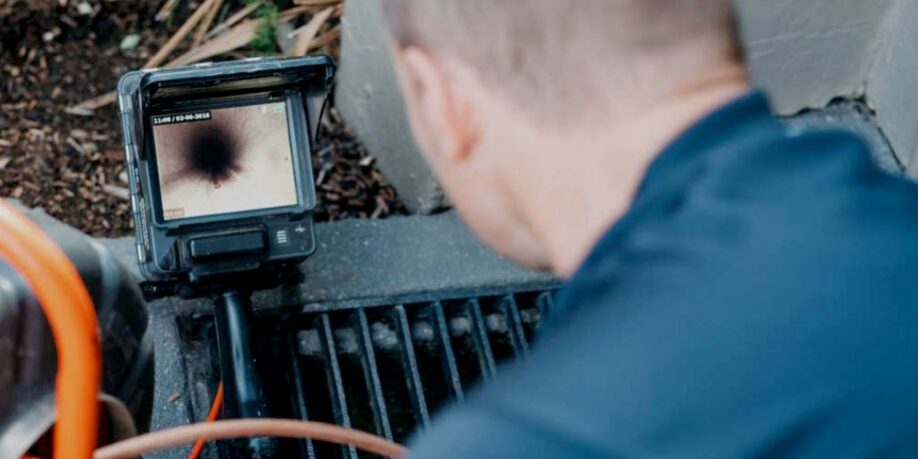
Proper leak detection uses equipment that can pinpoint exactly where a leak is without the trial and error, which means less disruption to your home and a faster fix. It’s the difference between opening one section of wall and opening five.
If you’re on a strata property or managing a rental, this matters even more. A hidden leak left unchecked can lead to mould, damage to shared walls, or issues that end up being a much bigger conversation with owners or tenants down the track.
A Way to Catch Leaks Before You Even Have To
If reading through that list has you thinking “I’d never notice half of that”, you’re not alone. That’s exactly why we started installing Leak SmartShield™ by Caroma. It’s a smart water monitoring device fitted to your home’s water line that keeps an eye on your water usage around the clock, and if it picks up a pattern that looks like a leak (water running when it shouldn’t be, or usage that doesn’t match how your household normally uses water) it can shut the water off automatically before a small drip turns into a big problem.
Thoroughgood Plumbing is one of the first accredited installers of Leak SmartShield on the Central Coast. For a lot of homeowners, it takes the guesswork out of everything above. You don’t need to remember to check the water meter or listen for gurgling, the system’s doing that for you.
Don’t Wait for the Obvious Signs
The whole point of a hidden leak is that it stays hidden, until it doesn’t. If something on this list sounds familiar, it’s worth getting it looked at now rather than waiting for a burst pipe or a bigger bill to force the issue.
Thoroughgood Plumbing has been looking after Central Coast homes for three generations, from Gosford to Terrigal, Woy Woy to Erina and everywhere in between. If you’ve noticed any of the signs above, give us a call and we’ll come take a proper look.
Frequently Asked Questions
How do I know if I have a hidden leak?
Look out for a water bill that’s crept up for no reason, a musty smell in a room you don’t use often, warm patches on the floor, or greener patches in the yard. Any one of these on its own is worth a look, and if you’re noticing more than one, it’s worth booking someone in sooner rather than later.
Can a leak really be hiding somewhere I can’t see or hear it?
Yes – that’s exactly what makes hidden leaks tricky. A slab leak or an underground pipe can run for weeks without any obvious sign inside the house, which is why we rely on proper leak detection equipment rather than just having a look around.
How does professional leak detection work?
We use specialised equipment to pinpoint exactly where a leak is without guessing, which means we can open up one section of wall or flooring instead of five. It’s faster, less disruptive, and the fix goes straight to the actual problem.
What’s the difference between leak detection and Leak SmartShield?
Leak detection finds a leak that’s already happening. Leak SmartShield™ by Caroma is a device fitted to your water line that monitors usage around the clock and can shut the water off automatically if it picks up a leak pattern, so in a lot of cases it catches the problem before you’d ever notice it yourself.
Should I try to find a leak myself before calling a plumber?
Checking your water meter with everything turned off, or keeping an eye out for the signs above, is a reasonable first step. But digging up the yard or pulling up flooring to chase a leak yourself can easily turn a small job into a bigger, more expensive one, so once you suspect something, it’s worth getting a proper opinion.
Local, and here when you need us
We’ve been catching hidden leaks across the Central Coast for three generations – Gosford, Terrigal, Woy Woy, Erina and everywhere in between.
If any of the signs above sound familiar, don’t wait for a burst pipe to force the issue. Call Thoroughgood on 0439 205 289 or book online – we’ll find it, fix it, and tell you straight whether Leak SmartShield is worth adding while we’re there.